
Cell-based production leans heavily upon a plentiful suite of substrates to produce innovative bio-based products.
Safeguarding environmentally mindful sourcing dictates persistent stability and principled industry advancement.
many concerns related to standard raw input procurement such as soil erosion and unchecked resource extraction. Therefore, producers should prioritize ethical sourcing models to curtail ecological damage.
- Models of sustainable material sourcing include:
- Harnessing secondary biomass from farming outputs
- Integrating recovery systems to shrink waste while improving throughput
- Building relationships with nearby vendors dedicated to moral sourcing
Shifting to Calcium Propionate ethical sourcing drives environmental value and long-term commercial viability.
Tuning Feedstock Characteristics for Higher Biofuel Efficiency
Boosting conversion rates requires high-quality and well-characterized biomass. Researchers repeatedly investigate innovative methods to enhance feedstock potential, producing improved fuel yields and a lower-carbon energy pathway. Approaches include genomic enhancements to boost biomass growth and processing methods to convert complex lignocellulose into fermentable sugars.
- Concurrently, efforts examine seaweed, industrial byproducts, and crop residues to increase the variety of renewable feedstock alternatives for fuel production.
- Owing to ongoing work the biofuel domain is primed to reach substantial milestones advancing renewable energy adoption.
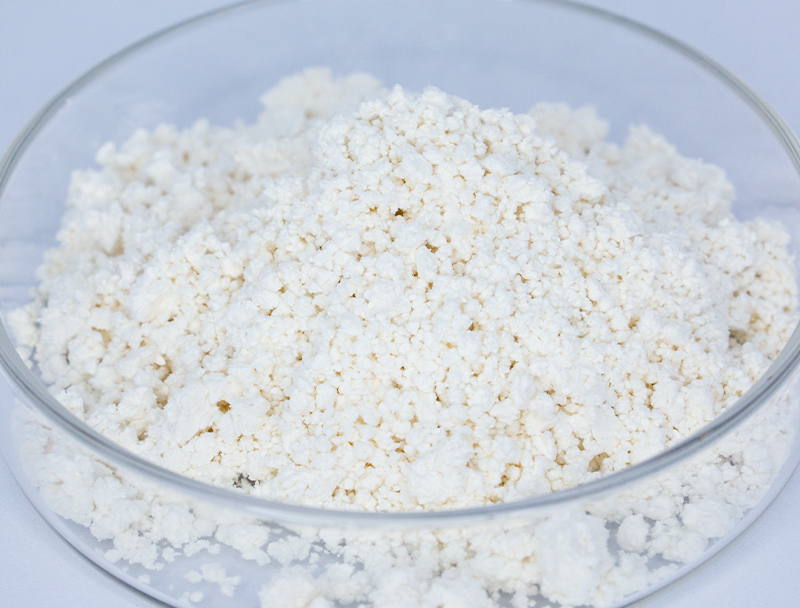
Biopharmaceutical Manufacturing: Advancements in Upstream Processing
covers the early phases of biopharma production including culturing and biological harvesting Modern progress within the sector has contributed to more efficient processes and higher production.
Meaningful breakthroughs include engineered cell strains, enhanced culture formulations, and modular reactor designs. Such breakthroughs boost efficiency and simultaneously reduce manufacturing costs and carbon burdens.
- Furthermore, there is a growing trend towards continuous processing in upstream processing, allowing for increased flexibility over the production process.
- The adoption of higher-tech manufacturing practices will likely disrupt traditional models and speed therapeutic launches.

Genetic Engineering Innovations for Higher Therapeutic Yields
breakthroughs in precise gene modification systems have reshaped biopharma production. Using precise gene interventions, engineers raise the output of key therapeutic proteins. This capability can unlock development of cost-efficient, high-performance biologics for many conditions.
Biodegradation Strategies Using Targeted Microbial Cultures
forward-looking microbial interventions for environmentally friendly decontamination. Selected microbial cultures can remediate contaminants through biodegradation pathways.. Applying microbial remediation systems creates low-impact cleanup options that address contamination efficiently.. Analysts explore microbial consortia for targeted removal of metal toxins, pesticide residues, and petroleum contaminants.. These microbes operate in engineered systems or direct environmental applications to metabolize and remove contaminants.
Microbe-based remediation provides compelling advantages over standard remediation methods. Microbe-driven cleanup typically costs less and generates fewer dangerous byproducts. In addition, microbial approaches enable pollutant-specific treatment without broad ecological disruption. Advancements continue apace to increase the speed, efficiency, and applicability of microbial remediation techniques.
Computational Biology in Drug Discovery
Advanced informatics contributes significantly to today’s drug research environment. From target selection to safety profiling, bioinformatics empowers rapid, data-informed therapeutic design.
- Using extensive genomic, proteomic, and patient data, analysts discover targets and anticipate therapeutic performance.
- Concurrently, virtual screening and simulation shape the development of more effective therapeutics.
- Finally, bioinformatics is revolutionizing the drug discovery and development process, accelerating the time to bring safe and effective treatments to patients in need.
Optimizing Metabolism to Increase Bioproduct Production
applies assorted techniques to boost microbial synthesis of valuable compounds. Approaches may include genome edits to rewire pathways, transcriptional control to tune expression, and heterologous gene insertion to add functions.. Via targeted metabolic optimization researchers can meaningfully escalate production of desired biochemicals.
This multifaceted approach has the potential to revolutionize a broad range of industries, including biopharmaceuticals, agriculture, and bioenergy.
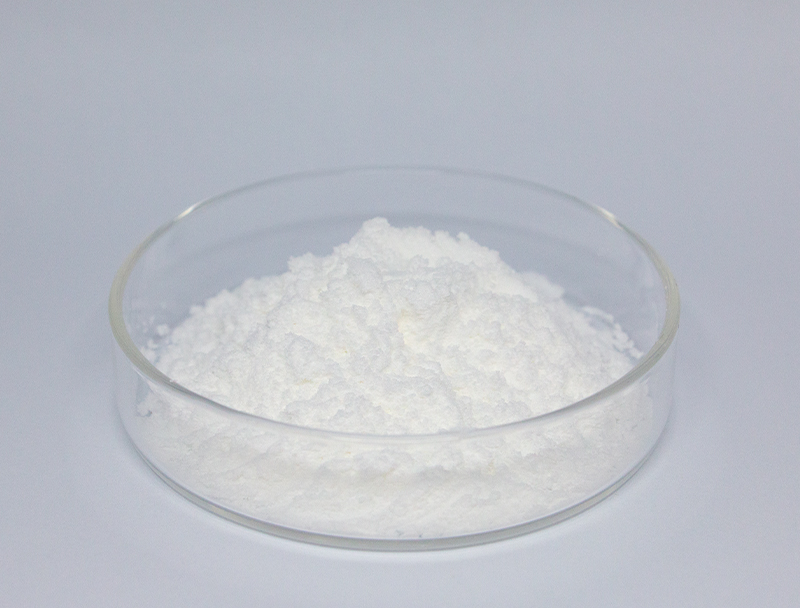
Scale-Up Challenges and Prospects for Biopharmaceuticals
Large-scale manufacturing brings notable difficulties together with growth opportunities. Retaining quality standards during scale enlargement is a core difficulty. This requires robust process control, precise monitoring, and sophisticated analytical techniques.

The multi-faceted nature of production steps adds complexity to scaling efforts. Refining processes for commercial volumes demands deep R&D investment and novel engineering solutions.. Yet, the returns can be substantial. Well-executed upscaling can improve therapy access, decrease costs, and enhance economic performance.
A series of measures are underway to confront these obstacles. They encompass new process-improvement tools, in-line analytics for continuous oversight, and creative manufacturing approaches.
- Research and development activities are central to evolving manufacturing capacity.
- Oversight institutions are updating guidelines to ease approval of manufacturing advances and catalyze innovation.
Aligning Biomanufacturing with Regulatory Standards for Patient Safety
Engineering biologic therapies includes robust governance to assure patient safety and measure effectiveness. Biologic therapeutics bring unique regulatory and manufacturing demands unlike traditional pharmaceuticals.
Regulatory authorities including FDA and EMA are central to creating criteria and processes for approving innovative biologics..
Comprehensive testing regimens must be followed from early-stage research through ongoing post-approval monitoring.. These controls function to identify dangers and ensure biopharmaceuticals achieve premier safety standards..
In addition, regulatory entities adapt their frameworks to stay current with rapid research and technological developments.. Actions include accepting new technologies and streamlining development channels while safeguarding patient health.

Plant-Derived Feedstocks as a Route to Sustainable Bioplastics
A stronger push for environmentally responsible materials is driving research into renewable options. Bioplastics derived from plant biomass provide a viable route to more sustainable plastic alternatives. Plant inputs like corn-derived starch, cellulose derivatives, and sugarcane can be turned into degradable plastics that lessen environmental burdens.
Furthermore, these bioplastics often possess comparable properties to their petroleum-based counterparts, making them suitable for a wide range of applications.. Continuous development will unlock plant biomass value for sustainable bioplastic production and support circular systems.
This Emerging Impact on Public Health and Food Systems
Advanced biotech approaches can reshape healthcare delivery and enhance agricultural resilience. Through advancements in genetic engineering, synthetic biology, and cell therapies, biotechnologists are developing innovative solutions to combat infectious diseases, improve crop yields, and enhance nutritional value.. A concrete example includes modified crops engineered for pest and stress tolerance that yield more while decreasing pesticide needs. Concurrently, biotechnology drives development of immunotherapies, antibiotics, and diagnostics that play a key role in controlling diseases and improving health metrics. As innovations mature, biotechnology can provide meaningful contributions toward global health and resilient food supplies for future generations.
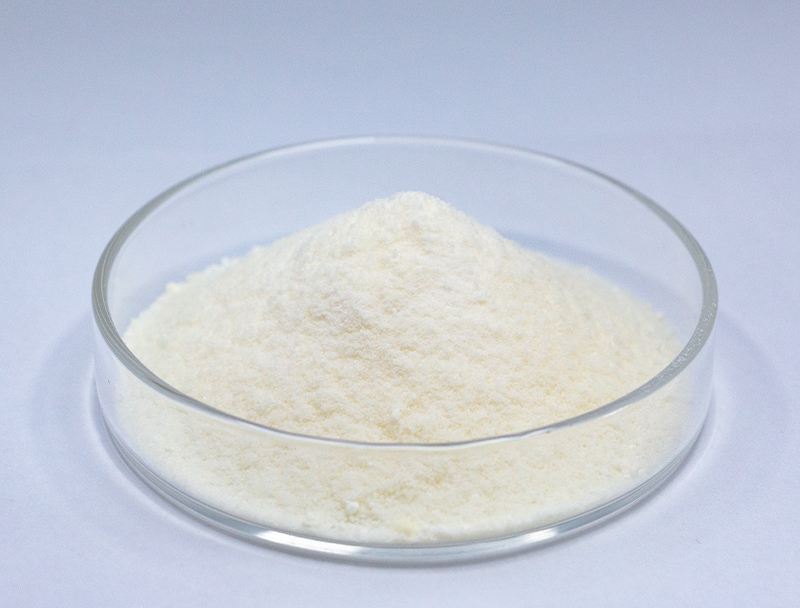 Calcium 2-oxoglutarate